
Leadership in agriculture does not always come with a title.
In many operations, leadership shows up in day-to-day decisions, how teams communicate, and how individuals step up when it matters most. Whether you are managing a team, working alongside others, or looking to grow in your career, leadership is often defined more by your actions than your position.
As the industry continues to evolve, the demand for strong, capable leaders is increasing. The question is not just who has experience, but who is ready to lead.
Leadership Is More Than a Title
It is easy to assume that leadership begins when you are given a management role. In reality, leadership often starts long before that.
You may already be demonstrating leadership by:
- Taking initiative without being asked
- Supporting and mentoring others on your team
- Communicating clearly and respectfully
- Staying accountable and following through on commitments
These behaviours build trust and credibility, which are essential for effective leadership.
Waiting for a title before acting like a leader can delay your growth. Many of the strongest leaders in agriculture developed their skills well before they were formally recognized. Learning how to demonstrate leadership potential before you have the title can help you position yourself for future opportunities.
What Strong Leadership Looks Like in Agriculture
Leadership in agriculture is practical and grounded in real-world challenges.
It is not about theory or corporate language. It is about how you handle the day-to-day realities of the job and how you support the people around you.
Strong leaders in this industry often demonstrate:
- Reliability: Being someone others can count on, especially during busy or high-pressure times
- Problem-solving ability: Finding solutions when conditions are unpredictable
- Clear communication: Ensuring everyone understands expectations and priorities
- Respect for the team: Recognizing that success depends on people working together
- Willingness to learn: Adapting as technology, markets, and practices change
These traits are what set individuals apart, regardless of their title.
Why Leadership Matters for Your Career
Developing leadership skills can open doors, even if you are not actively seeking a management role.
Employers are looking for individuals who can contribute beyond their immediate responsibilities. Those who demonstrate leadership potential are often given more opportunities, whether that means taking on additional responsibilities, mentoring others, or stepping into new roles over time.
Taking a proactive approach to your development and positioning yourself for the next opportunity can help you move forward with greater clarity and confidence.
Building strong relationships within the industry also plays a role. Being known as someone who communicates well and supports others can create opportunities that may not be formally advertised, making building strong industry relationships an important part of long-term career growth.
Developing Leadership Skills Over Time
Leadership is not something that happens overnight. It develops through experience, observation, and a willingness to improve.
Some ways to continue building your leadership capability include:
- Asking for feedback and acting on it
- Taking on challenges that push you outside your comfort zone
- Learning from experienced leaders around you
- Being open to different perspectives and approaches
Small, consistent actions over time can have a significant impact.
Leading from Where You Are
The need for strong leadership in agriculture will continue to grow.
As operations become more complex and the industry evolves, individuals who demonstrate leadership through their actions will be well positioned for future opportunities.
You do not need a title to start leading. You simply need to be intentional about how you show up, how you contribute, and how you support those around you.

Share This Story, Choose Your Platform!
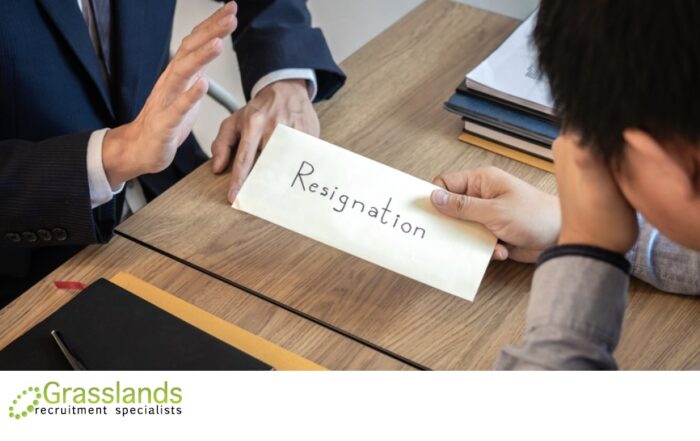
Before You Make a Counteroffer: What Employers Should Consider
A valued employee has just resigned. They have knowledge that will be difficult to replace, strong relationships with customers or colleagues and responsibilities that cannot easily be handed to someone else. Recruiting and training READ MORE-->

You Don’t Have to Work on a Farm to Build a Career in Agriculture
When you think about a career in agriculture, what comes to mind? For many people, the first image is still a farm. While production agriculture is at the heart of the industry, there is READ MORE-->