The agriculture industry continues to face a growing challenge: finding skilled talent.
Whether it’s agronomy, operations, sales, or leadership roles, many employers are discovering that the “perfect candidate” is becoming increasingly difficult to find. The reality is that the talent shortage in agriculture is not always about a lack of people. More often, it is a gap between available skills and evolving job requirements.
For employers, this presents both a challenge and an opportunity.
Instead of focusing solely on external hiring, many successful organizations are shifting their attention inward and building talent from within.
Rethinking the “Perfect Candidate”
It is easy to fall into the trap of searching for candidates who meet every requirement on paper. In a tight labour market, this approach can slow down hiring and limit your options.
Strong agricultural employers are beginning to ask a different question:
Who has the potential to grow into this role?
This shift in mindset is especially important when considering emerging talent entering the workforce. Employers who adapt their expectations and focus on potential are better positioned to connect with the next generation of professionals, as discussed in attracting younger talent to agriculture.
It also requires a closer look at how roles are defined and communicated. Clear, well-structured job descriptions that focus on transferable skills and long-term potential can significantly improve hiring outcomes, as outlined in writing job descriptions that attract quality ag talent.
Identify Transferable Skills
In agriculture, many skills are highly transferable across roles and sectors.
For example:
- A precision ag technician may have the foundation to move into a sales or advisory role
- A farm operator may transition into operations management or logistics
- A customer-facing employee may develop into a strong account manager
By focusing on core competencies such as communication, problem-solving, and adaptability, employers can uncover talent that may otherwise be overlooked.
This approach broadens your talent pool and helps identify individuals who can grow with your organization over time.
Invest in Training and Development
Building talent internally requires a commitment to ongoing development.
This does not always mean formal, expensive training programs. Some of the most effective development happens through:
- Mentorship and job shadowing
- Cross-training across departments
- On-the-job learning with structured support
- Industry courses, certifications, and workshops
Organizations that prioritize development create stronger, more adaptable teams. They also position themselves to respond more effectively to changes in technology, market demands, and customer expectations.
Create Clear Career Pathways
One of the most common reasons employees leave is a lack of visibility into their future.
When employees can see a path forward, they are more likely to stay engaged and committed.
Employers can support this by:
- Outlining potential career progression within the organization
- Setting clear expectations for advancement
- Having regular conversations about goals and development
Creating these pathways is a key component of long-term workforce stability. Organizations that invest in their people and provide opportunities for growth are more successful in retaining talent, reinforcing the importance of employee attraction and retention strategies.
Build Leadership from Within
Leadership gaps are becoming more noticeable across the agriculture sector.
Rather than waiting until a leadership role becomes vacant, forward-thinking organizations are identifying and developing future leaders early.
This includes:
- Giving employees opportunities to lead projects
- Involving them in decision-making
- Providing coaching and feedback
Developing leadership internally not only strengthens your team but also ensures continuity and cultural alignment as your organization grows.
Partnering Your Internal Strategy with External Support
While building internal talent is critical, it does not replace the need for external hiring. Instead, the most effective strategy combines both.
Working with a recruitment partner can help:
- Identify candidates with strong growth potential
- Benchmark talent against the broader market
- Support hiring when specialized skills are required
Employers who take a thoughtful approach to their recruitment strategy often achieve better results, particularly when aligning internal development with external hiring efforts.
Looking Ahead
The skills gap in agriculture is real, but it is not insurmountable.
Organizations that focus on potential, invest in development, and create clear pathways for growth are better positioned to succeed in today’s market.
In many cases, your next top performer or future leader is already part of your team. The opportunity lies in recognizing that potential and giving it room to grow.
Share This Story, Choose Your Platform!
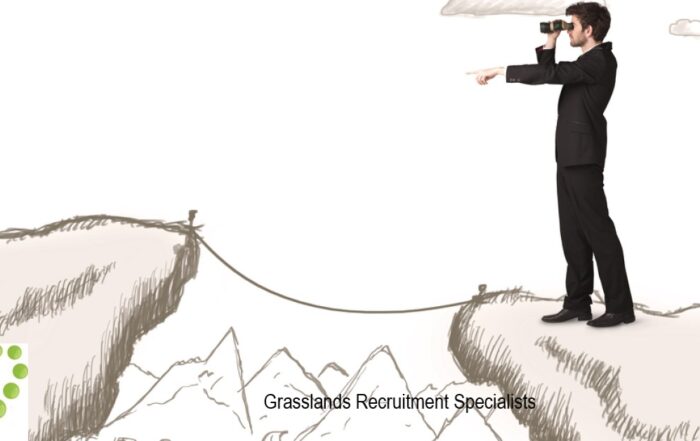
Bridging the Skills Gap: How Ag Employers Can Build Talent from Within
The agriculture industry continues to face a growing challenge: finding skilled talent. Whether it’s agronomy, operations, sales, or leadership roles, many employers are discovering that the “perfect candidate” is becoming increasingly difficult to find. READ MORE-->
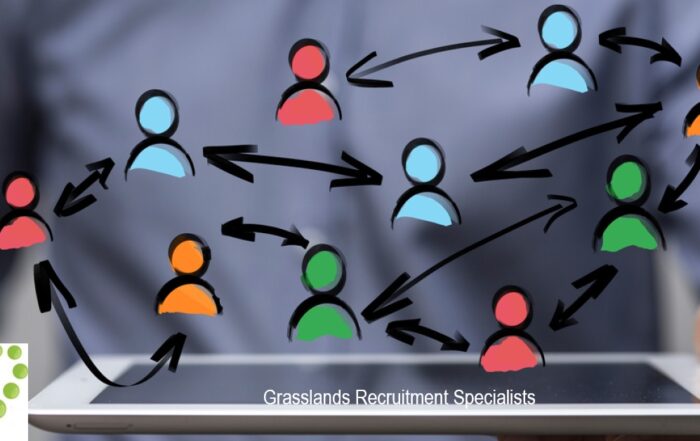
Networking That Works: Building Relationships to Advance Your Ag Career
Careers in agriculture are built on more than technical skills and experience. They are built on relationships. In an industry as interconnected as agriculture, who you know and how you engage with others can READ MORE-->